
Back‑to‑School Traffic Safety Tips for August
Moshe Lichter
Aug 11 2026 15:00
August marks a major shift on the roads as students return to school, neighborhoods become busier, and school zones fill with morning and afternoon traffic. National Traffic Awareness Month serves...
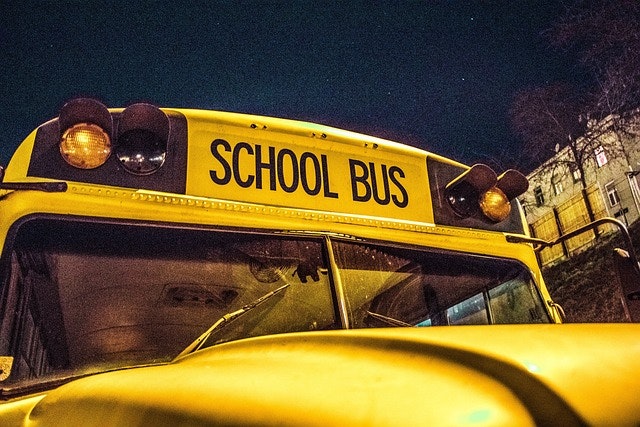
August marks a major shift on the roads as students return to school, neighborhoods become busier, and school zones fill with morning and afternoon traffic. National Traffic Awareness Month serves as a timely reminder that even small adjustments in driving behavior can help keep families, students, and communities safe. As the school year begins, understanding how traffic patterns change—and how to respond to them—plays a crucial role in preventing accidents.
The back-to-school season brings more walkers, bicyclists, buses, and inexperienced teen drivers onto the roads. These changes can increase risk for everyone, which is why staying alert and adopting safer driving habits is essential. Below is a detailed look at what drivers and families should keep in mind as school resumes.
Why Traffic Increases During the School Season
Once school is back in session, morning and afternoon traffic spikes dramatically. Streets that were quiet during summer quickly fill with families driving to school, children heading to class on foot, and busy school buses running established routes. These changes create conditions where extra caution becomes necessary.
Drivers often encounter heavier congestion, more frequent stops, and sudden pedestrian activity near schools. Younger children may not yet have the awareness needed to judge distance or traffic speed, making these high-traffic windows particularly sensitive. Recognizing the shift in roadway activity helps drivers prepare and adjust before problems arise.
What Drivers Should Know About School Bus Safety
School buses are among the safest forms of transportation, but they also introduce unique roadway challenges. The most dangerous areas for children are within 10 feet of the front or back of a bus, where visibility is limited. Giving buses ample room helps protect students during loading and unloading.
Slowing down when approaching a bus and being ready to stop when its lights activate are two of the most effective ways drivers can prevent serious accidents. Children may cross the street suddenly or step into traffic unexpectedly, especially if they are focused on reaching the bus. Staying patient, leaving extra distance, and avoiding distractions all contribute to safer bus zones.
Sharing the Road With Pedestrians and Young Cyclists
With more students walking or riding bikes to school, drivers must stay aware of what’s happening around them. Always yield to pedestrians in crosswalks, and never pass a car that has stopped to let someone cross. This protects children who may be out of view until they step into the roadway.
Cyclists—especially kids—can make unpredictable movements. They may ride out from behind parked cars, roll through driveways, or drift outside bike lanes. Drivers should reduce speed in areas where bikes are common and scan carefully for movement from sidewalks and neighborhood streets.
Even simple acts like opening a car door can be hazardous without looking first. Developing the habit of checking mirrors and blind spots for cyclists before exiting a vehicle can prevent avoidable injuries. These small decisions make shared roads safer for everyone.
How to Navigate School Drop-Off and Pick-Up Zones Safely
Drop-off and pick-up times often create the most congestion near schools. Following school-specific procedures is one of the best ways to reduce confusion and keep traffic moving smoothly. These guidelines are designed to minimize risk, so adhering to them helps protect both drivers and students.
Consistency reduces chaos. When everyone follows the same pattern—whether that’s using designated lanes, pulling forward as directed, or avoiding restricted areas—drivers can anticipate what others will do. Bypassing instructions or stopping in unauthorized spots creates hazards and disrupts the flow for everyone.
Parents and caregivers play a key role in keeping these areas safe. Taking a few extra minutes to follow proper procedures contributes to a more orderly environment and reduces stress during an already busy part of the day.
Teaching Children to Practice Safe Habits
While drivers are responsible for much of roadway safety, educating children is equally important. Young kids, especially those under 10, benefit from consistent supervision and reminders about how to behave near traffic. Teaching good habits early helps them stay safer as they become more independent.
Key lessons include stopping to look both ways before crossing, paying attention to traffic sounds, and using crosswalks. These practices make children more visible to drivers and reinforce patterns that can protect them for years to come.
Protective gear should also be part of the routine. Helmets and pads offer crucial protection for kids who ride bikes or scooters. Reducing distractions—such as headphones or mobile devices—helps them stay focused and aware in busy environments.
Working Together to Keep Roads Safe
Creating a safer back-to-school season requires a shared commitment. Drivers, families, and students all have a role in promoting responsible behavior on the roads. Simple actions such as slowing down in school zones, yielding to pedestrians, and staying alert can significantly reduce the chance of accidents.
Small changes often have the biggest impact. Double-checking for pedestrians, giving buses more room, and planning a few extra minutes into your commute can make the difference between a safe start to the school year and a preventable incident.
As routines shift and traffic patterns evolve, staying aware and consistent helps everyone move through the school season more safely.
Preparing for a Safe Start to the School Year
The return to school does not have to bring added risk. By staying mindful and adjusting to the increased activity, families and drivers can help ensure a safer daily commute. Understanding where hazards are likely to occur—and making conscious choices to avoid them—supports a safer community for all.
If you need guidance on liability concerns, traffic-related risks, or protecting your family on the road, Lichters Insurance Agency is here to help. Our team can provide personalized insights to help you stay safe and informed throughout the school year.
Our Services
About the Author
A Monsey-based independent insurance agency serving Tri-State area and the greater NY & NJ region with clear guidance, accountable service, and coverage built around real local needs. Lichters Insurance Agency serves individuals, families, landlords, and businesses across Rockland County with practical guidance that aligns policies to real risks and legal standards.
This is paragraph text. Click it or hit the Manage Text button to change the font, color, size, format, and more. To set up site-wide paragraph and title styles, go to Site Theme.

1
What we believe
We stand for beauty that feels real and shows real results.
We choose thoughtful over rushed. Intentional over trendy. Real over filtered. We believe in confidence that isn’t loud but is undeniable.
2
What we try to deliver
A skin that feels like home, and in a version of beauty that is deeply yours.
We use organic, dermatologically tested products to deliver impactful treatments that are safe and healthy for your body.