
Does Auto Insurance Cover the Car or the Driver?
Moshe Lichter
Jul 21 2026 15:00
Auto insurance can be confusing, especially when you’re lending your car to a friend or driving someone else’s vehicle. One of the most common questions drivers ask is whether coverage follows the...
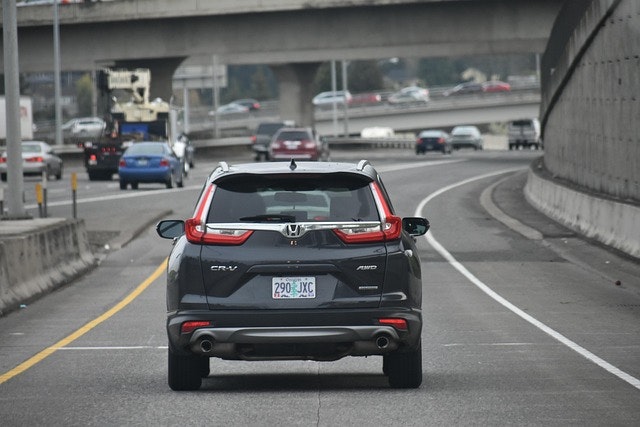
Auto insurance can be confusing, especially when you’re lending your car to a friend or driving someone else’s vehicle. One of the most common questions drivers ask is whether coverage follows the driver or the vehicle. Understanding this distinction can help you avoid unexpected financial consequences and make smarter decisions when sharing your keys.
In most situations, auto insurance is tied to the vehicle itself. This means the car owner’s policy is usually the primary coverage in an accident. Still, several variables can influence how protection applies, and knowing these exceptions can make a significant difference.
The General Rule: Coverage Usually Follows the Car
Most insurance carriers build policies around the vehicle rather than the person driving it. When a covered car is involved in an accident, the owner’s policy typically steps in first to handle liability expenses.
Liability insurance pays for injuries or property damage caused to others. As long as the driver had permission to use the car, this coverage often applies even if the owner wasn’t behind the wheel at the time of the crash.
For instance, if you let a friend borrow your vehicle and they cause an accident, your policy will generally be the primary source of compensation. It will handle costs up to your coverage limits. If damages exceed what your insurance will pay, the driver’s policy may step in as secondary protection, helping fill any remaining gaps.
This layered method shows why your liability limits matter. Insufficient coverage could leave both you and the driver financially exposed.
When Insurance Does Not Follow the Car
While the general rule is straightforward, there are important exceptions where insurance may not apply as expected. These situations often create confusion and can result in denied claims.
The Importance of Permission
Permissive use—giving someone authorization to drive your vehicle—plays a major role in determining whether your insurance applies. If the driver had your consent, your policy will typically offer coverage.
However, if the vehicle is taken without permission, your insurer may refuse to pay for damages. This difference makes it essential to clarify whether someone is allowed to use your car.
Excluded Drivers Can Block Coverage
Some auto insurance policies specifically name individuals who are excluded from driving the covered vehicle. These exclusions often apply when someone in the household has a poor driving history or presents elevated risk.
If an excluded person drives your car and causes an accident, your insurance might deny the claim entirely. In this scenario, both you and the excluded driver may be held responsible for all resulting expenses.
Household Drivers Must Be Listed
Insurance companies typically require all household members who regularly use a vehicle to be listed on the policy. If someone in your home frequently drives your car but is not included on your policy, you may face coverage issues.
Because insurers assess risk based on all regular drivers, failing to list household members can lead to limited protection or outright denial of a claim.
Using Your Vehicle for Business Purposes
Using a personal vehicle for business activities can affect how insurance applies. Tasks such as delivering goods, transporting customers, or operating a service-based business may not fall under the protection of a standard personal policy.
In these cases, additional endorsements or a commercial auto policy may be required to ensure you’re properly covered.
Ride-Sharing and Delivery Apps
Driving for ride-share or delivery platforms introduces added complexity. Many personal policies exclude coverage during commercial driving unless specific add-ons are purchased.
While some companies provide limited protection for drivers, it does not always apply throughout every stage of a trip. This can create gaps that drivers may not discover until after an accident.
Practical Examples That Show How Coverage Works
Understanding how these rules function becomes much clearer through real-world scenarios.
Imagine loaning your vehicle to a friend who later causes a minor collision. Your policy would usually be the primary coverage since the car involved belongs to you. Your liability insurance would manage the costs up to your policy limits, and if the damages exceed that, your friend’s insurance (if they have one) may step in as secondary coverage.
Now picture a different situation. You borrow a friend’s car while yours is in the shop and accidentally hit another vehicle. Because the car you were driving belongs to your friend, their insurance would generally respond first. Your own policy may provide additional support if needed, depending on your coverage terms.
These examples highlight how policies can interact and why understanding them is crucial.
Why Knowing Your Policy Matters
Auto insurance policies can vary widely, even when they appear similar. Factors such as listed drivers, exclusions, special endorsements, and state regulations all play roles in determining how coverage applies.
Small details can significantly impact what happens after an accident. Reviewing your policy carefully—and updating it as needed—can help you avoid unwelcome surprises.
What to Consider Before Lending Your Car
It may seem simple to let someone borrow your keys, but it comes with serious responsibility. Before agreeing, take a moment to think through a few key factors.
Make sure the person has a valid license and a safe driving history. Consider whether your liability limits offer enough protection in case worst-case scenarios arise. Also check for any policy restrictions about who can operate your vehicle.
A few minutes of preparation can spare you from major complications later.
Being Informed Helps Protect You
The question of whether insurance follows the car or the driver can feel complicated, but the basic idea is that coverage usually follows the vehicle. Exceptions involving permission, excluded drivers, business use, and ride-share activity can change how the policy functions.
Taking the time to understand your coverage is an important step toward financial protection. Reviewing your policy—or speaking with a professional—can help ensure you have the clarity and confidence you need when lending or borrowing a vehicle.
Our Services
About the Author
A Monsey-based independent insurance agency serving Tri-State area and the greater NY & NJ region with clear guidance, accountable service, and coverage built around real local needs. Lichters Insurance Agency serves individuals, families, landlords, and businesses across Rockland County with practical guidance that aligns policies to real risks and legal standards.
This is paragraph text. Click it or hit the Manage Text button to change the font, color, size, format, and more. To set up site-wide paragraph and title styles, go to Site Theme.

1
What we believe
We stand for beauty that feels real and shows real results.
We choose thoughtful over rushed. Intentional over trendy. Real over filtered. We believe in confidence that isn’t loud but is undeniable.
2
What we try to deliver
A skin that feels like home, and in a version of beauty that is deeply yours.
We use organic, dermatologically tested products to deliver impactful treatments that are safe and healthy for your body.